
What is Padel?
What is padel, and why is it growing across Ireland?
A clear introduction for new players: what padel is, how the court works, why the walls matter, how scoring feels familiar, and where to take your first step in Ireland.
Padel is a doubles racket sport played on an enclosed court where the walls are part of the rally.
It combines familiar tennis-style scoring with rebound play from glass and mesh walls. The court is smaller than a tennis court, serves are underarm, and points are often decided by positioning, patience, teamwork, and smart use of angles rather than power alone.
Usually doubles
Most padel is played with four players. That makes it social from the first session, but it also means communication and court position quickly become part of the fun.
Underarm serve
A point starts with a controlled underarm serve after the ball bounces. This makes the first shot more accessible for beginners and helps rallies begin quickly.
Enclosed court
The standard court is 10 metres by 20 metres with glass and mesh around the playing area. Once the ball has bounced in court, it can rebound from the walls and still be played.
Familiar scoring
Games, sets, and match structure will feel familiar to tennis players. New players can learn the full details later, but the basic rhythm is easy to understand.
It feels familiar, but the walls change everything.
Padel borrows some of the language of tennis, especially in the scoring, but the enclosed court makes the sport feel different very quickly. The ball can come back from the back glass or side walls, so players have more time to recover, reset, and build a point together. Some people search for the sport as paddle tennis, but the official name is padel.
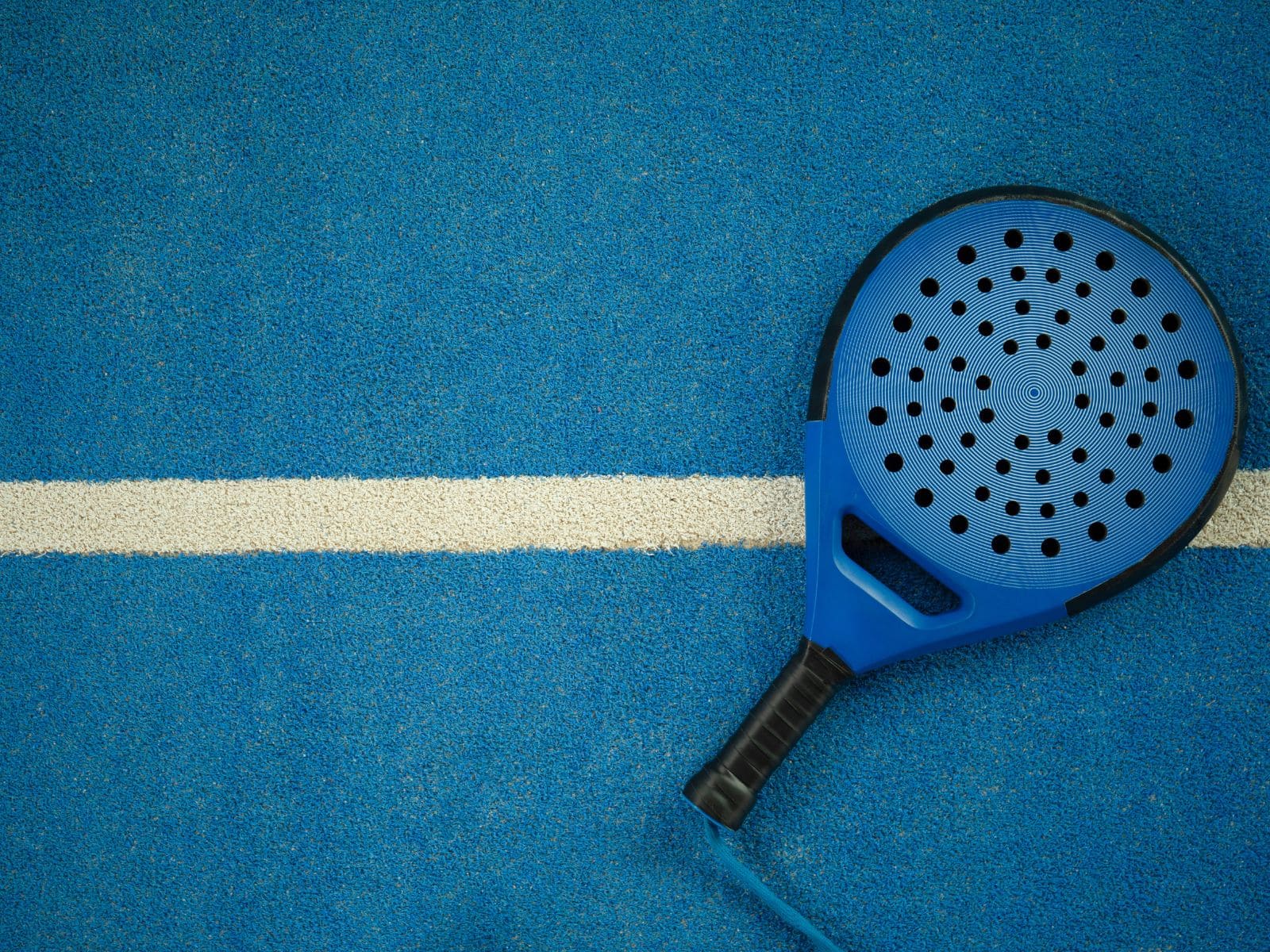
The aim is simple: keep the ball in play, use the space well, and win the point as a pair.
A serve starts the point, each side returns after one bounce or on the volley when allowed, and the ball can be played after rebounding from the walls once it has bounced in court.
Serve underarm
The serve is made below waist height after the ball bounces. It must land in the correct service box and gives the rally a controlled start.
Rally with one bounce
The ball can be returned before it bounces or after one bounce, depending on the situation. The key is to stay balanced and move with your partner.
Use the walls
After the ball lands in court, it can rebound from glass or mesh and remain playable. This creates longer rallies, clever angles, and a very different feel from an open court.
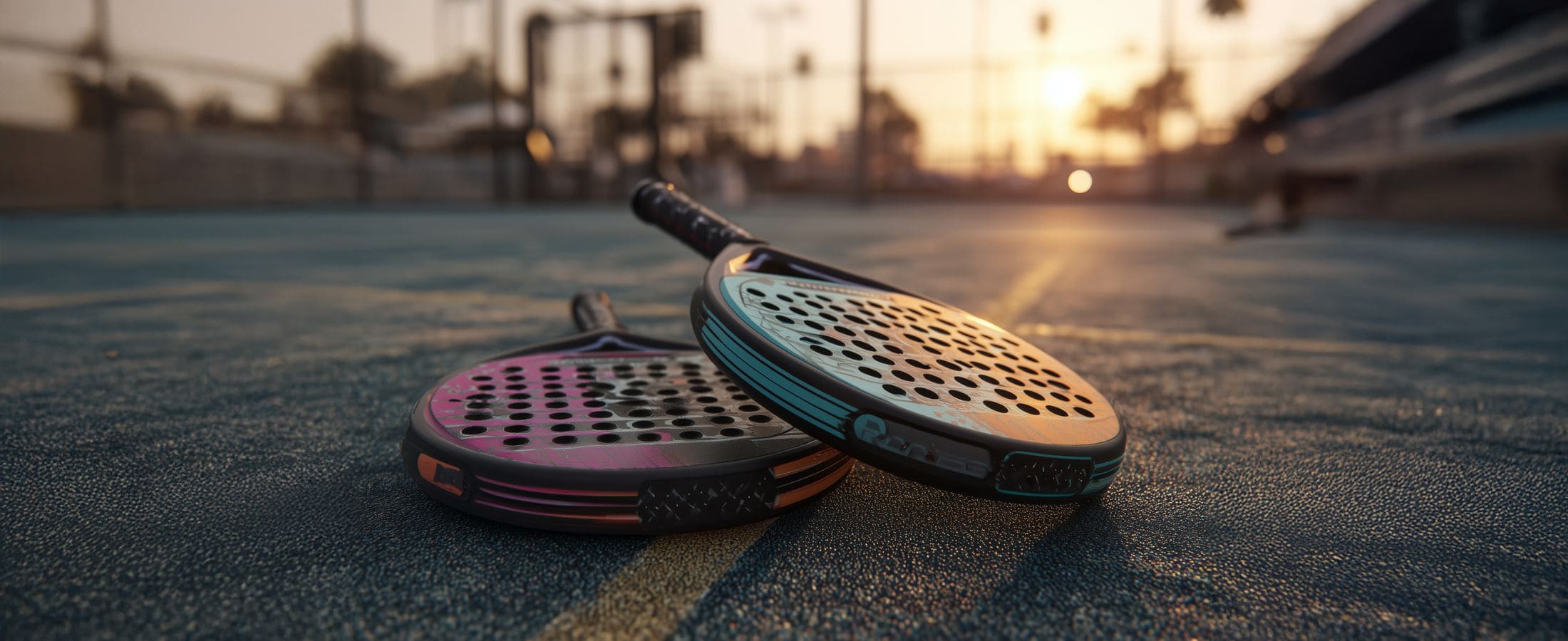
Padel is beginner-friendly because rallies start quickly, but it stays interesting because tactics keep developing.
New players can enjoy social games early, while experienced players keep improving positioning, communication, shot choice, wall play, and match strategy.
Your next step is to get on court.
Once the basics make sense, find a venue, learn the rules, and prepare for a first session with confidence.
Is padel the same as paddle tennis?
The official name of the sport is padel. Some people search for it as paddle tennis, especially when they are new to the sport, but padel has its own court, equipment, rules, and international structure.
Is padel easier than tennis?
Padel is often easier to start because the court is smaller, the serve is underarm, and doubles play helps beginners stay involved. Like every sport, it becomes more tactical and technical as players improve.
Do you play padel singles or doubles?
Padel is most commonly played as doubles on a standard court. Some venues may offer singles courts or adapted formats, but doubles is the main version of the sport.
Where can I play padel in Ireland?
Use the Padel Federation Ireland club directory to find padel venues by county and province, then check each club profile for courts, facilities, booking links, and contact details.