
Injury Prevention
Padel injury prevention habits for safer, more consistent play.
General player-care guidance for recreational and competitive players who want to warm up well, move more safely, manage intensity, recover sensibly, and know when to seek appropriate advice.
Good habits before, during, and after play can help reduce avoidable risk.
Padel involves short reactions, quick direction changes, lunges, rotations, and repeated stop-start movement. A short progressive warm-up, sensible footwear, controlled intensity, and recovery habits help players prepare for the demands of the sport. This guidance is general and does not replace medical or professional advice.
Warm up gradually
Start with light movement, mobility, and easy rallies before increasing speed, reach, and intensity. A useful warm-up should feel progressive rather than exhausting.
Use suitable shoes
Court shoes with grip and support help players move, stop, and turn more safely on the playing surface. Padel involves lateral movement, so footwear matters more than many new players expect.
Build intensity slowly
Avoid jumping from no activity into long or intense sessions. Let fitness, movement, and match load build over time, especially after a break from sport or when increasing how often you play.
Recover properly
Hydration, rest, cooldowns, and sensible spacing between sessions all support better long-term participation. Recovery is part of training, not a sign that a player is doing less.
Injury prevention is not about fear. It is about staying ready to play.
Most players benefit from simple routines: warm up, move with balance, choose suitable footwear, avoid sudden spikes in workload, and pause when pain or fatigue changes how they move. If a player is limping, guarding a movement, or changing technique because something hurts, that is a sign to reduce intensity and seek appropriate advice if it persists.

Three moments where players can reduce risk.
Keeping the advice simple makes it easier to repeat. Think about preparation before play, movement choices during play, and recovery after play.
Before play
Warm up with movement, mobility, light hitting, and progressive intensity rather than starting points cold. Include movements that resemble the game: side steps, turns, split steps, easy volleys, and controlled rallies.
During play
Use balanced movement, communicate with your partner, avoid risky reaches, and adjust if fatigue affects control. Let the ball rebound when appropriate instead of forcing rushed contact from a poor position.
After play
Ease down, hydrate, recover, and notice how the body feels later. Seek appropriate medical or professional advice if pain persists, feels significant, or affects normal movement.
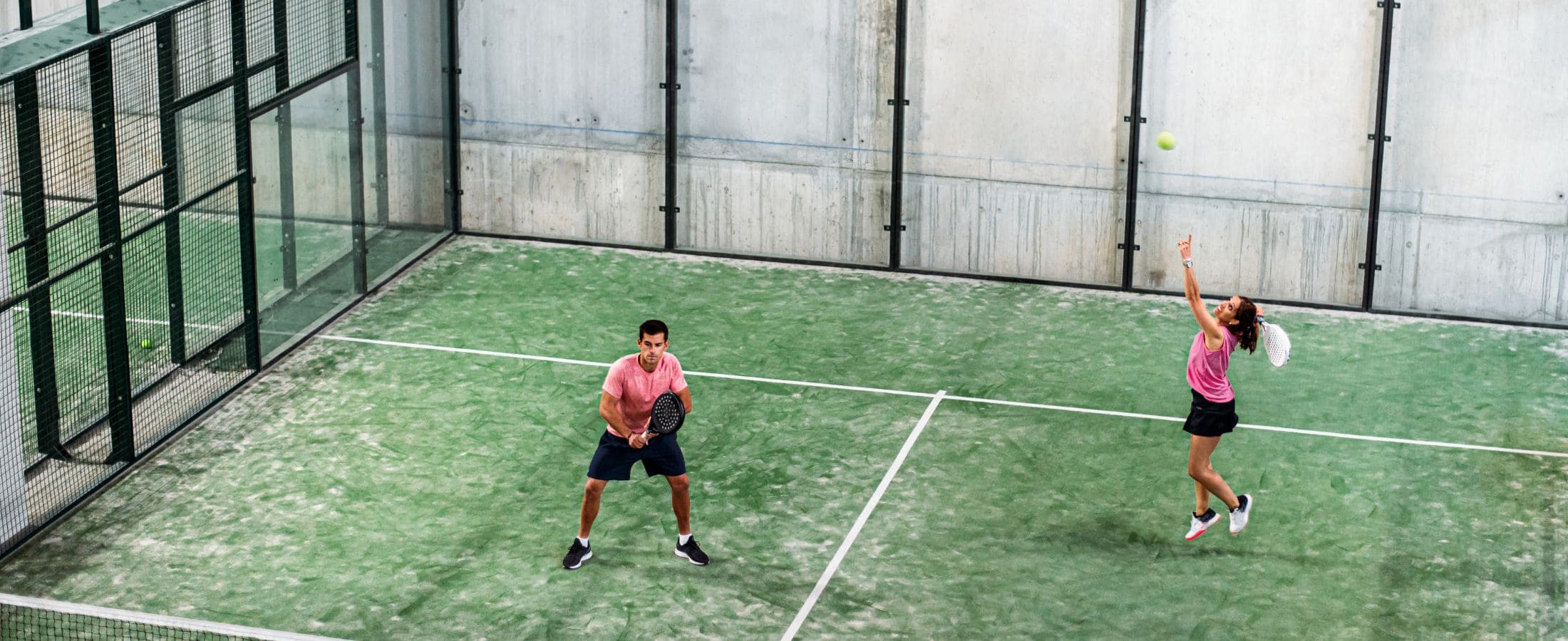
The goal is simple: more good sessions, fewer avoidable setbacks.
Players who prepare well, build intensity gradually, and recover sensibly are better placed to enjoy padel regularly, improve steadily, and stay active in the sport.
Support better movement and safer play.
Build safer habits through practical training, better equipment choices, and coaching support.
What is the simplest injury prevention habit?
A short progressive warm-up before play is one of the simplest habits. It helps prepare the body for quick movement, changes of direction, reaching, turning, and repeated rallies.
Can footwear make a difference?
Yes. Suitable court shoes can improve grip, support lateral movement, and reduce slipping compared with shoes designed for running or casual use.
How quickly should players increase how often they play?
Players should build frequency and intensity gradually, especially after time away from sport. Sudden jumps in match load or training intensity can make recovery harder.
What should players do if something hurts?
Players should stop or reduce intensity when pain affects movement. If pain persists, feels significant, or affects normal daily activity, seek appropriate medical or professional advice.