
Training Tips
Padel training tips for better rallies, movement, and match confidence.
Practical padel training tips for players who want to improve consistency, court position, communication, serve and return habits, and purposeful practice.
Improvement comes from practising the situations that happen in real points.
Good padel training is not just hitting more balls. It means choosing a theme, repeating it with control, and then testing it in points. Recreational players can make progress by focusing on consistency, movement, communication, and shot selection before chasing high-risk winners.
Rally with targets
Use controlled rallies with simple target areas to improve accuracy, patience, and clean contact. Aim for cross-court consistency, the middle space, or a safe lob zone rather than just hitting without a plan.
Train as a pair
Practise moving together, covering space, and communicating clearly with your partner. Many padel points are won by the pair that stays organised for longer, not the player who hits the hardest ball.
Footwork first
Small adjustment steps and balanced movement help players reach the ball in better positions. Train recovery after each shot so you are ready for the next ball rather than admiring the last one.
Use coaching wisely
A coach can identify patterns, correct technique, and help players train with a clearer plan. Coaching is especially useful when the same mistake keeps appearing in matches.
A good training session should have a clear job.
Rather than trying to practise everything at once, players can focus on one or two themes per session: serve and first volley, return consistency, wall defence, net position, lobs under pressure, or communication with a partner. A clear theme makes it easier to measure whether the session worked.
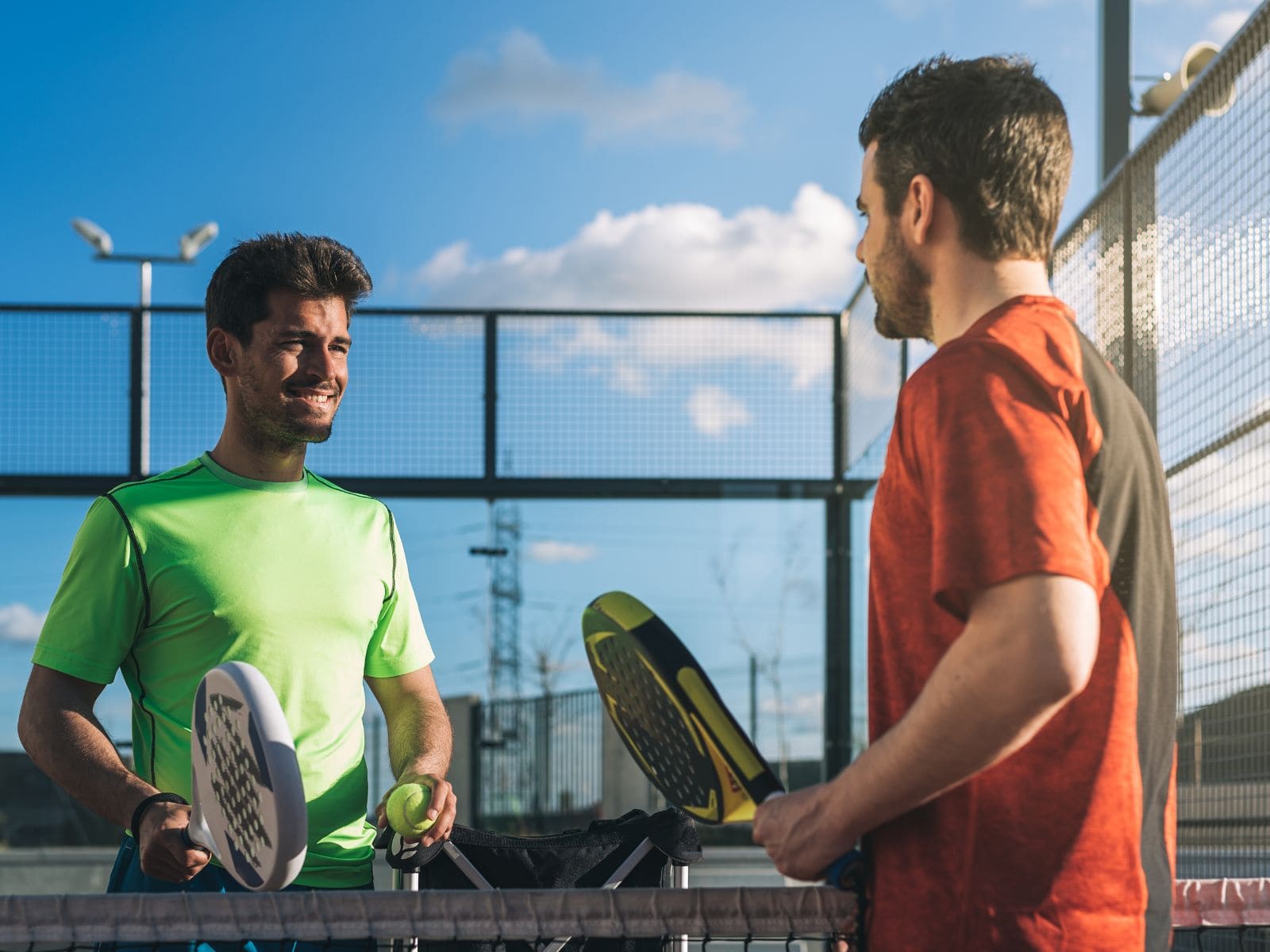
A simple shape for productive practice.
Players do not need a complicated training plan to improve. A useful session can be built around preparation, focused repetition, and then applying the same idea in live points.
Warm up with intent
Start with light movement and easy rallies that prepare the body and introduce the main theme for the session. If the theme is returns, volleys, or wall defence, let the warm-up point in that direction.
Focus the drill
Choose one skill or situation, repeat it with control, and measure success by quality rather than speed. Good training should reward clean contact, correct position, and sensible decisions.
Apply it in points
Finish by using the training theme in live points so the habit transfers into match play. For example, if you trained safer returns, start points with that target and notice whether rallies last longer.
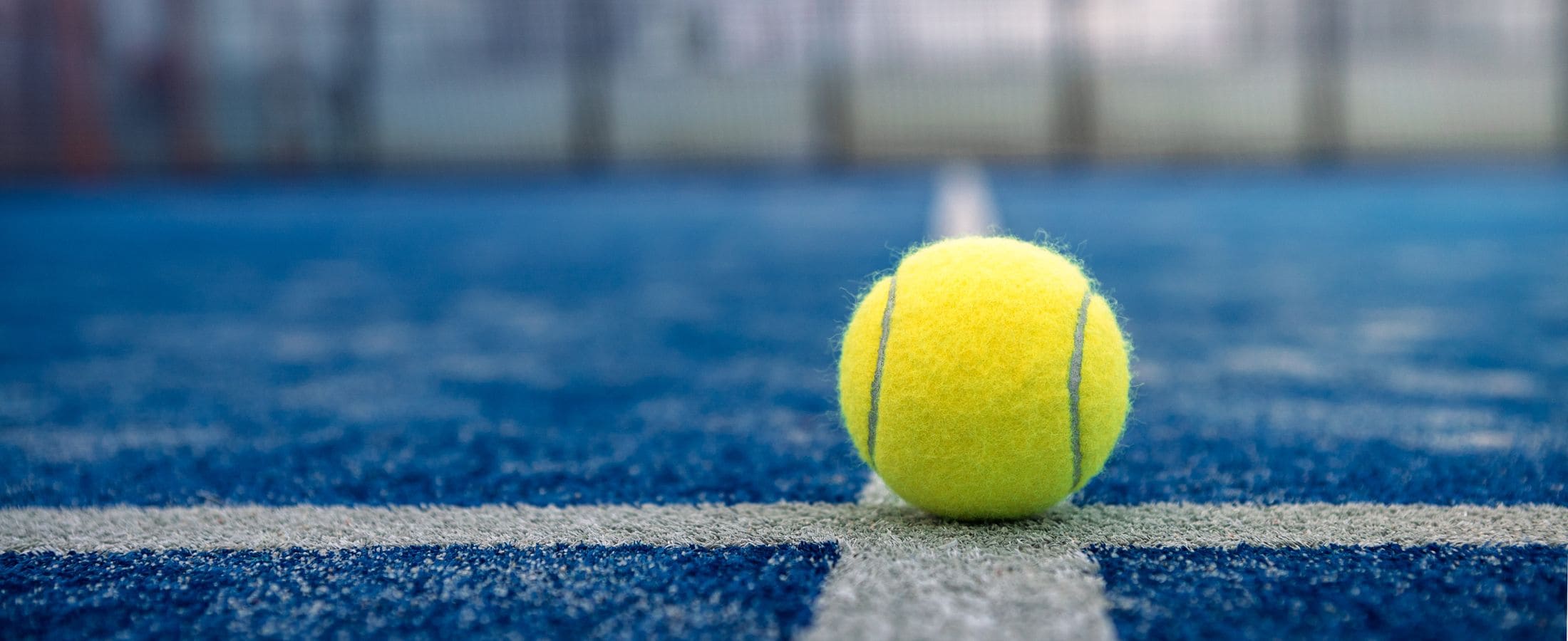
The best training connects practice to the points players actually play.
Small improvements in positioning, communication, shot choice, and consistency can make matches feel calmer and more controlled. The aim is not to practise impressive shots in isolation; it is to make better choices under normal rally pressure.
Keep improving with the right support.
Turn training advice into coaching support, safer movement, and better match habits.
What should new players practise first?
New players should focus on controlled rallies, court position, communication, and simple serve and return patterns before trying advanced shots. A consistent rally base makes every later skill easier to add.
How often should players train?
That depends on the player, but regular manageable sessions are usually more useful than occasional very intense sessions. Consistency and recovery both matter.
When should a player get coaching?
A coach can help at any stage, especially when a player wants clearer feedback, better technique, or a more structured plan for improvement.
What is a simple padel drill for beginners?
One useful starting drill is a controlled cross-court rally where both players aim for height, depth, and consistency. Count successful shots and focus on balance rather than speed.
How can players improve match confidence?
Players build match confidence by practising the same situations they face in games: serve and return, first volley, lobs, wall rebounds, communication, and recovery after mistakes.