
Beginner Guide
Padel basics for beginners: rallies, walls, movement, and first-game confidence.
A friendly padel beginner guide covering what to focus on during your first rallies, how to use the walls, how doubles movement works, and how to feel comfortable on court.
The best early progress comes from simple habits, not advanced shots.
New players often improve quickly by focusing on steady rallies, balanced movement, clear communication, and learning how the ball behaves after it rebounds from the glass. The first goal is not to win every point; it is to stay in rallies long enough to understand the rhythm of the game.
Keep the ball in play
Aim for controlled shots and longer rallies before trying to hit winners. A steady ball through the middle or cross-court is often more useful than a hard shot with a low chance of landing.
Move as a pair
Padel is a team game. Try to move with your partner, recover together, and keep the middle of the court covered. Good spacing makes simple shots feel much easier.
Use the walls
Let the ball bounce first, then use the glass rebound to give yourself more time and better shot choices. At the beginning, learning to wait for the rebound is more important than forcing a quick swing.
Learn etiquette
Respect court time, call the score clearly, retrieve loose balls safely, avoid dangerous shots, and keep the game enjoyable for everyone on court.
Start simple and enjoy your first games.
A beginner can have a good first match with a basic serve, steady returns, simple volleys, and a willingness to learn the walls. The goal is to stay relaxed, communicate, and build rhythm point by point. Once rallies begin to last longer, players can start adding more deliberate choices: when to lob, when to volley, when to let the ball rebound, and when to reset the point.
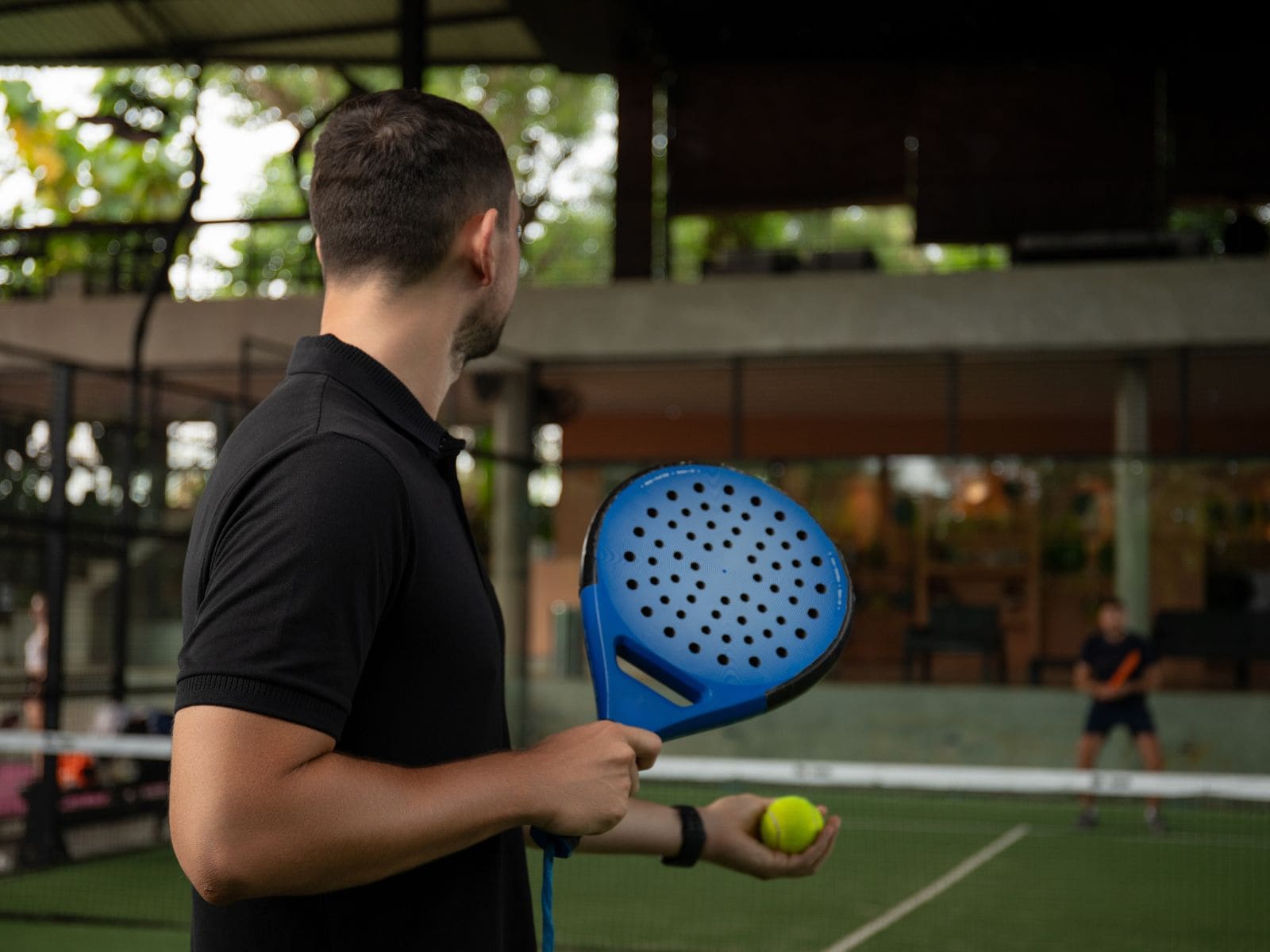
Three things to focus on first.
These simple ideas give new players a useful starting point immediately and can be practised in a social game, beginner class, or coach-led session.
Serve simply
Start with a controlled underarm serve, focus on placement, and give yourself time to recover into position. A reliable serve gives the point a calm start.
Return safely
A steady return that starts the rally is more valuable than a risky shot that ends the point too early. When in doubt, aim for height, space, and control.
Talk to your partner
Use simple calls, cover space together, and reset after each point. Communication makes doubles easier and helps both players know who should take the middle ball.
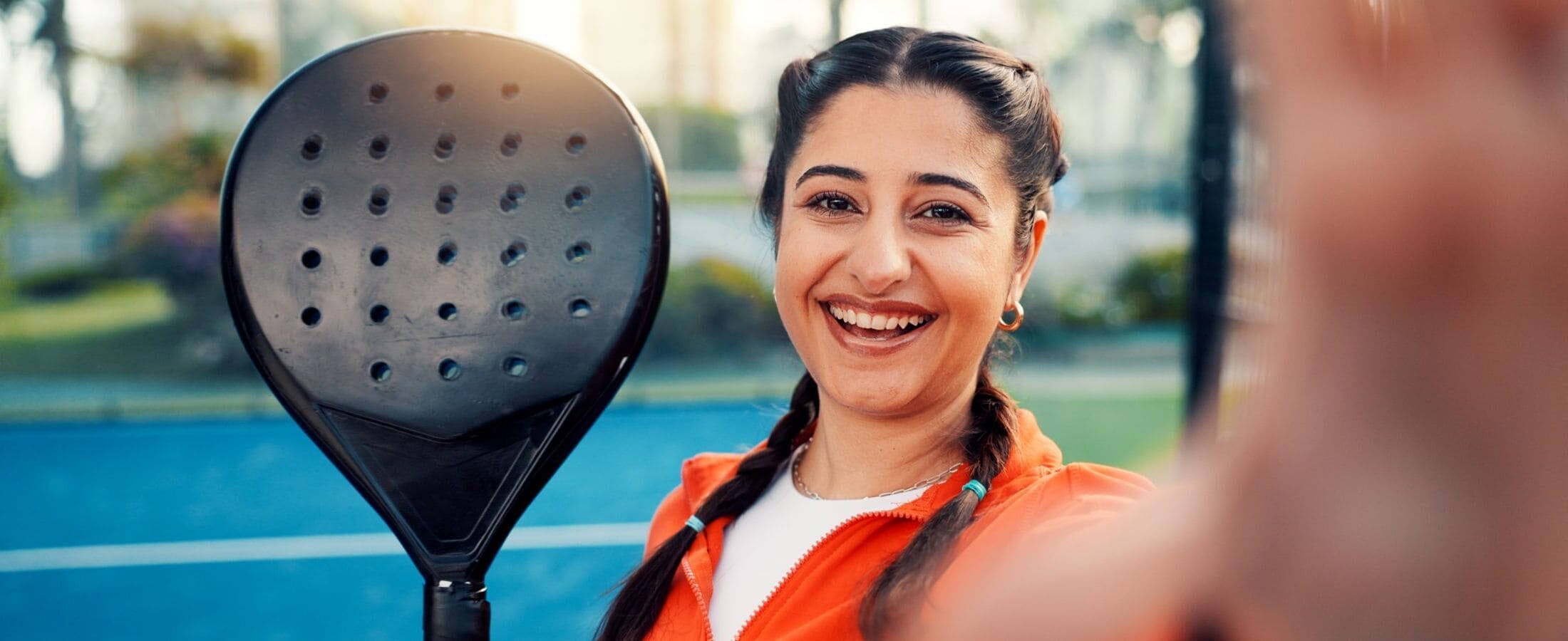
Padel rewards patience, teamwork, and good decisions.
As beginners settle into the rhythm of the game, rallies become longer, movement becomes smoother, and the walls start to feel like part of the fun. A good early target is to leave each session with one small thing to practise next time.
Keep improving after your first games.
Build from basic confidence into better equipment choices, coaching support, and a clearer understanding of the rules.
What should beginners focus on first?
Beginners should focus on control, keeping rallies alive, moving with their partner, and learning how the ball rebounds from the walls. Power can come later, but control makes the first games much more enjoyable.
Do I need lessons to start?
Lessons are not required, but a beginner lesson or taster session can make the first few games much easier and more enjoyable. Coaching helps players understand grip, serve, movement, walls, and basic court position more quickly.
What is the biggest beginner mistake?
Many beginners try to hit the ball too hard too soon. Controlled placement, patience, and good positioning usually help more than power.
What should I bring as a new player?
Bring comfortable sportswear, water, and suitable court shoes if you have them. Many venues can advise on rackets or rental equipment, so check the club profile or booking details before your first session.
How long does it take to feel comfortable?
Most players start to understand the rhythm after a few sessions, especially when they play regularly. The walls, doubles movement, and shot choices become clearer with repetition.