
Equipment Guide
Padel equipment guide for rackets, shoes, balls, and beginner kit.
A simple guide to padel equipment for new and improving players, covering rackets, shoes, balls, clothing, rental options, and what to avoid buying too early.
Good equipment helps, but beginners do not need to overbuy.
The right racket and shoes can make padel more comfortable, but the best first choice is usually equipment that supports control, safety, and confidence rather than advanced power or specialist features. For a first few sessions, it is often better to borrow, rent, or ask a club for advice before spending heavily.
Rackets
Beginners normally benefit from a racket that feels comfortable, balanced, and easy to control. A forgiving racket can help new players make cleaner contact and keep rallies alive while technique develops.
Balls
Padel balls look similar to tennis balls but are designed for the pace, bounce, and feel of padel. Using suitable balls gives a more consistent rally speed and a better first-game experience.
Shoes
Suitable court shoes improve grip, support sideways movement, and reduce the risk of slipping on court. Running shoes are usually not ideal because padel involves repeated turns, stops, and lateral movement.
Accessories
Comfortable clothing, water, grip tape, and a small sports bag are often enough to start well. Extra accessories can wait until you know how often you play and what you actually need.
Choose control and comfort before chasing power.
A beginner-friendly racket should help you keep rallies alive, protect your arm, and learn clean contact. Very heavy or power-focused rackets can be harder to control at the start. PFI has partnered with JOMA Sport, a leading manufacturer of padel apparel and equipment, because the brand offers high-quality products at reasonable prices. As your technique improves, you can explore different shapes, weights, balances, and playing styles with a clearer sense of what suits you.
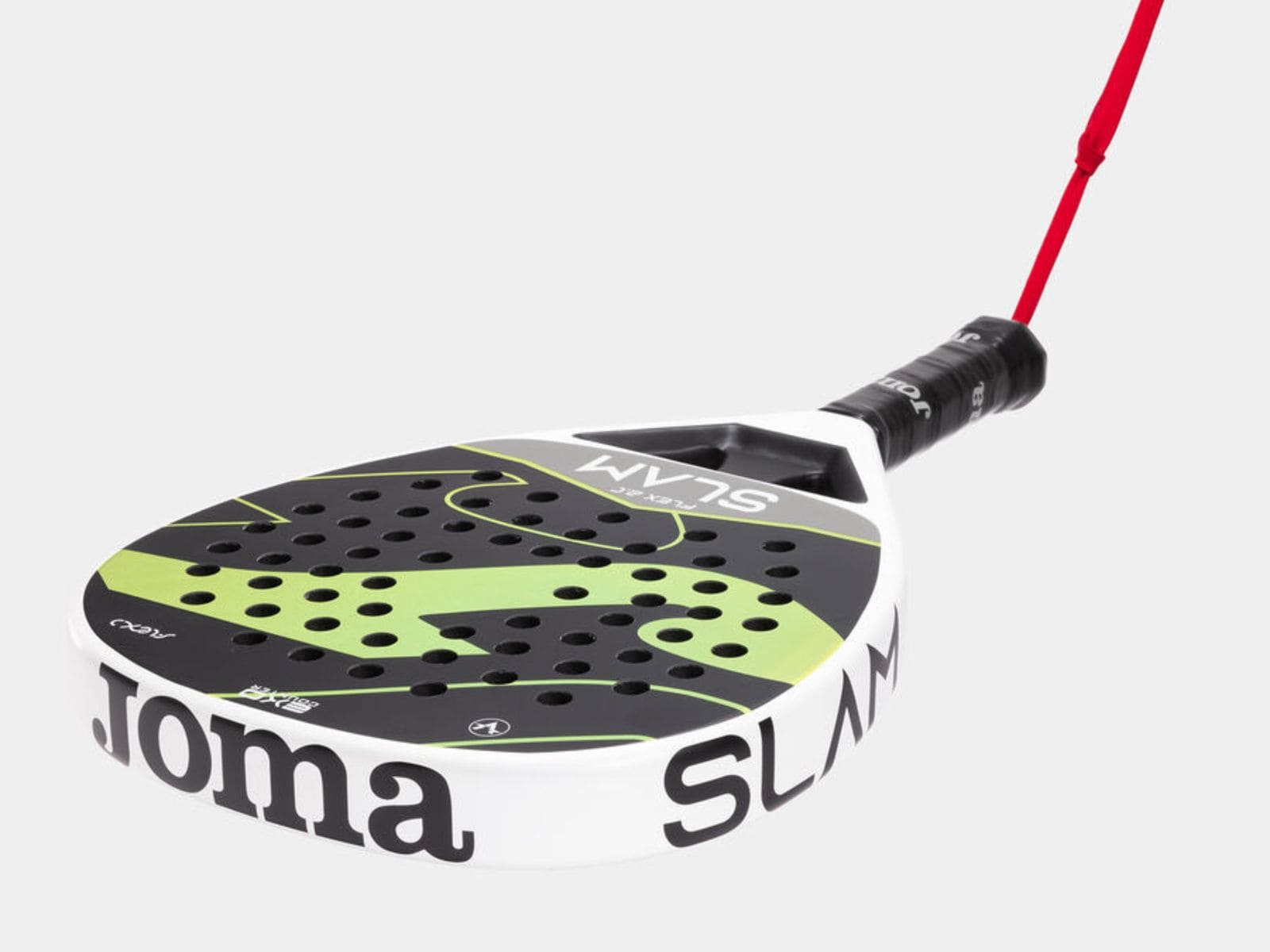
Three sensible priorities for new players.
A good first setup should make it easier to move safely, rally consistently, and enjoy the game without buying specialist equipment before you know your preferences.
Try before buying
If possible, borrow or rent a racket at a club before committing to a model that may not suit your level or feel. Ask what other beginners are using and notice what feels comfortable in your hand.
Prioritise footwear
Shoes affect movement, comfort, and safety. Good court grip and lateral support can matter more than an expensive first racket, especially when you are learning how to stop, turn, and recover.
Upgrade gradually
Let your playing style develop before investing in advanced rackets or specialist accessories. The best upgrade is the one that solves a real problem you have noticed while playing.
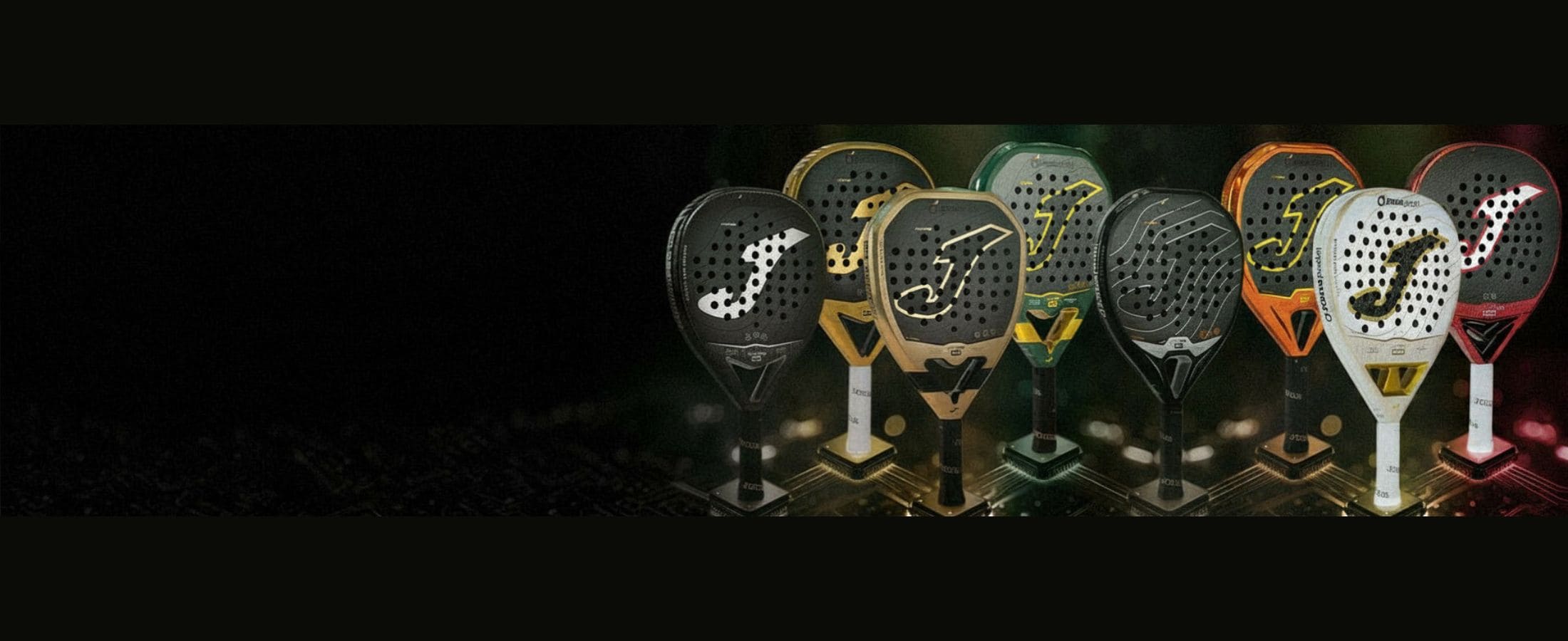
The best equipment is the equipment that lets you play more often and more comfortably.
Start with practical choices, learn what feels right, and let your kit evolve as your confidence and playing style grow. Comfort, safe movement, and regular court time matter more than having every accessory on day one. PFI works with JOMA to support access to dependable padel apparel and equipment for players, clubs, and the wider Irish padel community.
Put the kit to use.
Once the basics are covered, the next move is to get on court, practise regularly, and keep improving.
Do beginners need to buy a racket straight away?
Not always. Many clubs can advise on equipment, and some may offer rental or loan rackets. Trying a few options first can help players avoid buying the wrong racket too early.
Are padel shoes different from running shoes?
Yes. Court shoes are designed for lateral movement, grip, and support. Running shoes are built mainly for forward movement and may not be suitable for padel court movement.
What racket should a beginner choose?
Beginners usually do best with a comfortable, forgiving racket that supports control and consistency rather than a heavy or power-focused racket. If possible, test different weights and shapes before buying.
What should I wear for padel?
Wear comfortable sports clothing that lets you move freely. The most important clothing-related choice is usually footwear, because padel requires quick turns, sideways movement, and secure grip.
Are padel balls the same as tennis balls?
They look similar, but padel balls are made for padel play and can feel different in pressure, bounce, and speed. For the best experience, use balls intended for padel when available.