
Inclusive Padel
Making padel accessible, welcoming, and open to every player.
Players, families, clubs, coaches, volunteers, schools, and partners can find practical inclusion guidance for safer, more accessible, and more welcoming padel.
Practical guidance for players, families, clubs, coaches, and volunteers.
Inclusive padel includes different needs while staying practical enough to help people act: disability inclusion, wheelchair padel, deaf players, visually impaired players, neurodivergent players, beginners, carers, clubs, and community partners.
Players and families
Ask about access, session suitability, adaptations, communication needs, and local opportunities in a respectful and practical way.
Clubs and venues
Think about accessible facilities, welcoming environments, equipment, session formats, and how people find the information they need before they visit.
Coaches and volunteers
Use inclusive delivery, disability inclusion training, safeguarding, clear communication, and practical adaptations to help more people take part.

Participation for all
A welcoming first step can change someone's whole experience of sport.
Inclusive participation is about welcome, access, confidence, and belonging: supported play, coach interaction, adaptive activity, and clubs making it easier to get on court.
From first question to regular participation.
Inclusion becomes meaningful when people know who to contact, what support may be possible, and how clubs or coaches can adapt the experience.
Ask about support
Give players, parents, carers, clubs, and coaches a clear place to ask what access, session format, equipment, or communication support may be possible.
Choose the setting
Match the player with a suitable club, venue, coach, or session, taking account of facilities, supervision, travel, equipment, and confidence.
Adapt the session
Modify activity where needed: pace, court position, ball type, communication, scoring, session length, partner support, or equipment.
Keep progressing
Build routes into regular play, social sessions, school links, club activity, adaptive competition, coaching, volunteering, and community programmes.
Accessible participation
Inclusive padel can feel clear, confident, and easy to begin.
Disability inclusion, adaptive formats, accessible facilities, coach support, safeguarding, and welcoming club culture all make participation easier to begin and easier to sustain.
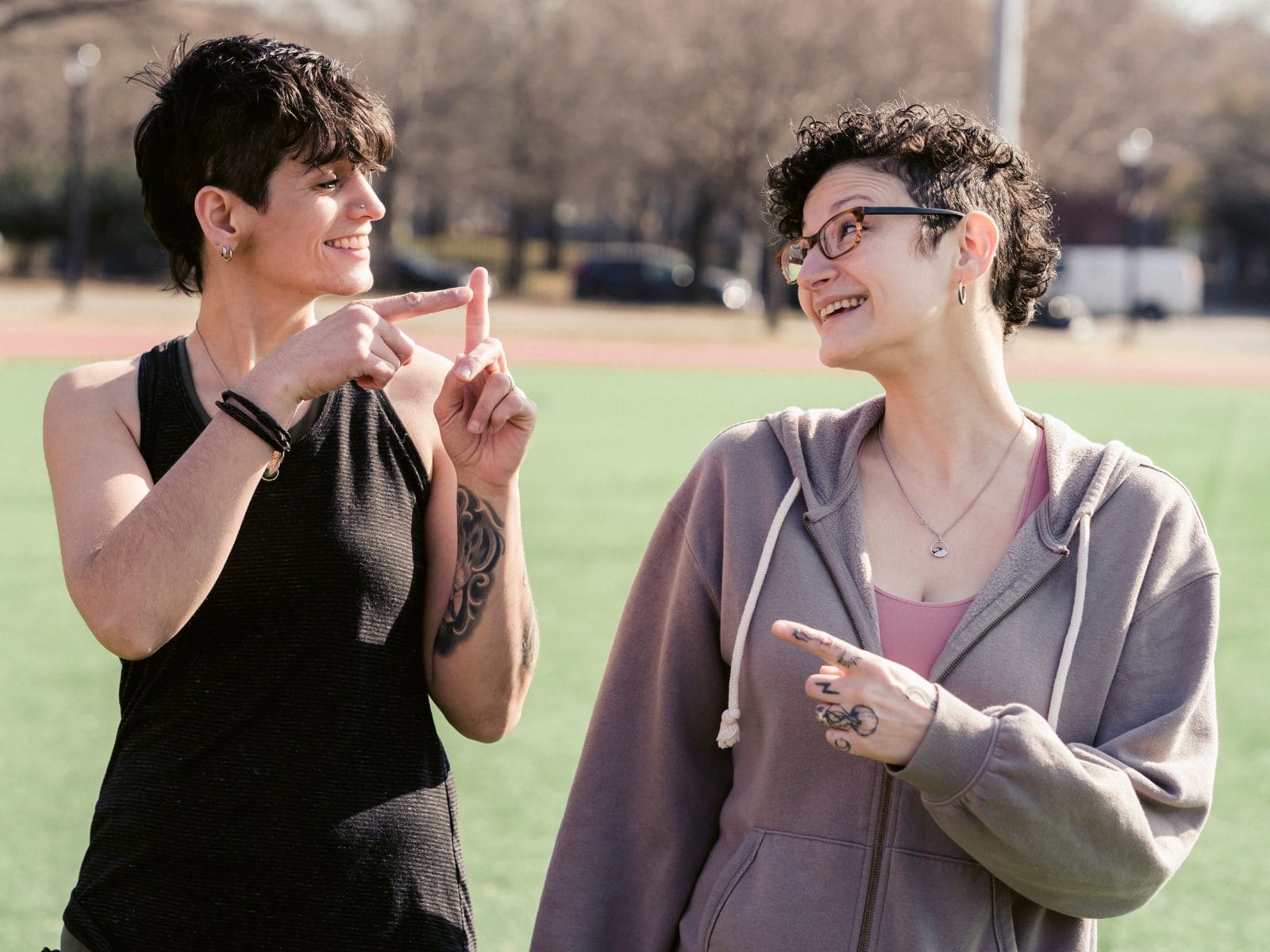
Make inclusion practical, not abstract.
A good inclusion page should give people a next step: find a club, ask for support, understand standards, and connect to adaptive competition where relevant.
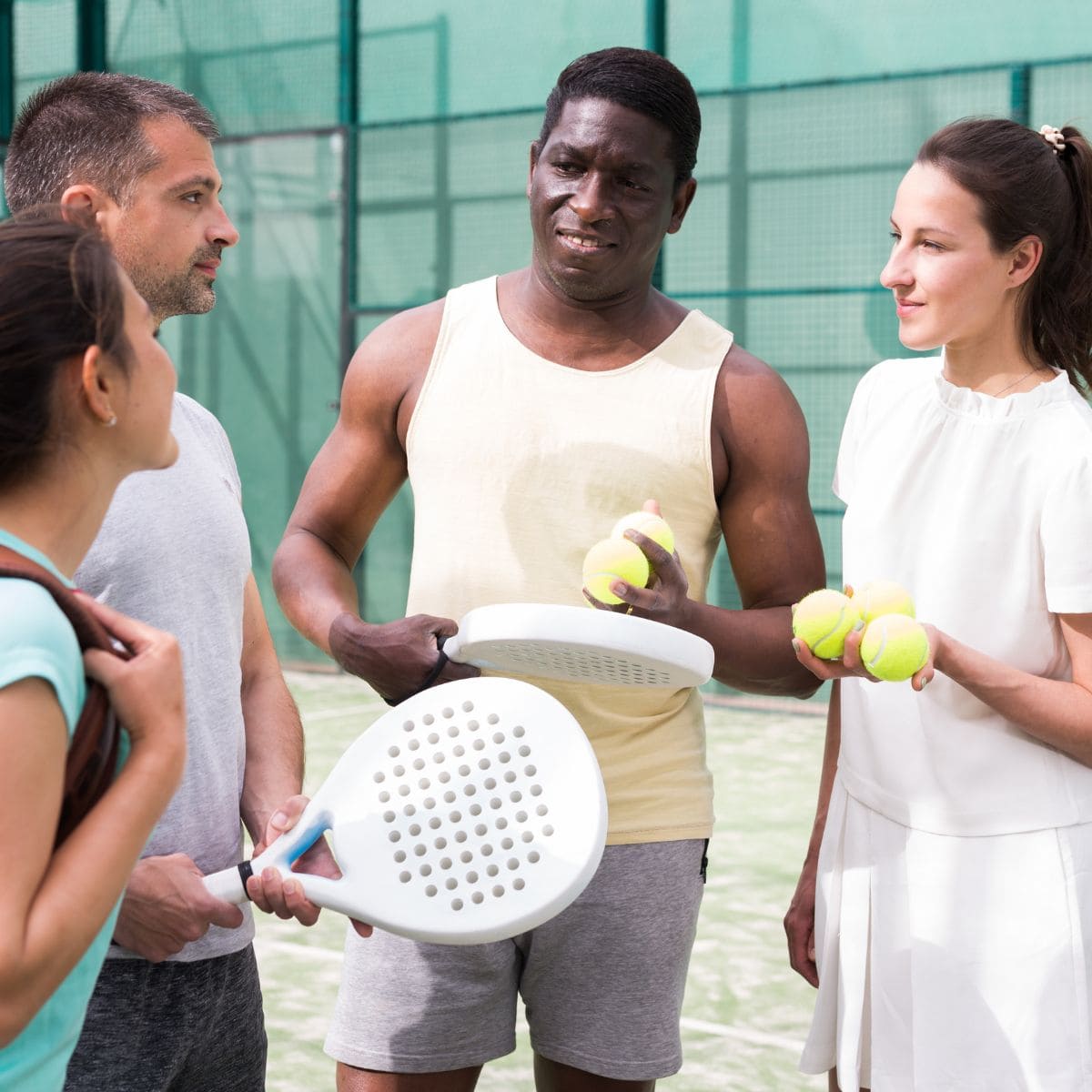
Access begins with a clear first conversation.
Players, families, clubs, and coaches can start by talking about practical needs: access, equipment, communication, session format, supervision, and confidence.
As padel continues to grow across Ireland, we are committed to developing meaningful, inclusive initiatives that create sustainable opportunities for everyone to participate in our sport.
If you represent an inclusive group or organisation and are interested in introducing padel to your members, we would be delighted to hear from you. Please get in touch with us to discuss how we can work together to develop a programme that best meets the needs of your group and helps make padel an accessible and enjoyable experience for all.
Inclusive Padel questions.
Who is Inclusive Padel for?
It is for players, families, clubs, coaches, volunteers, schools, and partners who want padel to be more accessible, welcoming, and practical for people with different needs and backgrounds.
Does this include wheelchair padel?
Yes. Wheelchair padel sits inside the wider adaptive and inclusive padel pathway, alongside areas such as disability inclusion, deaf players, visually impaired players, neurodivergent players, and supported participation. Deaf Padel also has a dedicated competition page in the Compete pillar.
Can clubs show accessibility information?
Yes. Club profiles can show useful access information such as facilities, contact routes, inclusive sessions, trained coaches, equipment support, or other practical details.
How should someone ask about support?
The best first step is to contact PFI or the relevant club with the practical details of what the player needs: access, communication, equipment, session format, supervision, or confidence getting started.